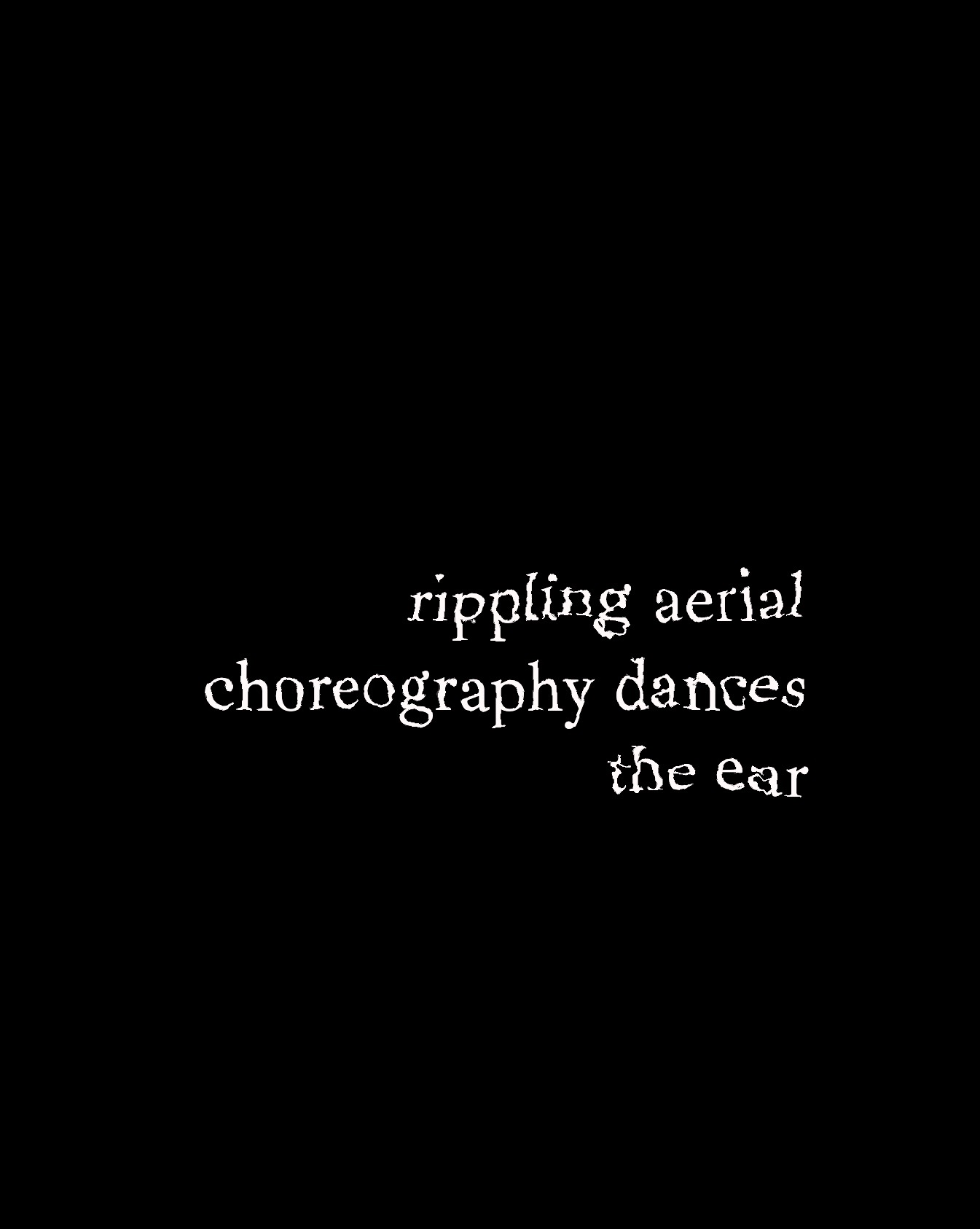
Airs
Airs was published in the Spring 2025 issue of The HTML Review. It combines typographic distortions and animation with a generative audio environment around the theme of air. The work is intended to facilitate multiple modes of attention, flickering between the atmospheric and the concrete.
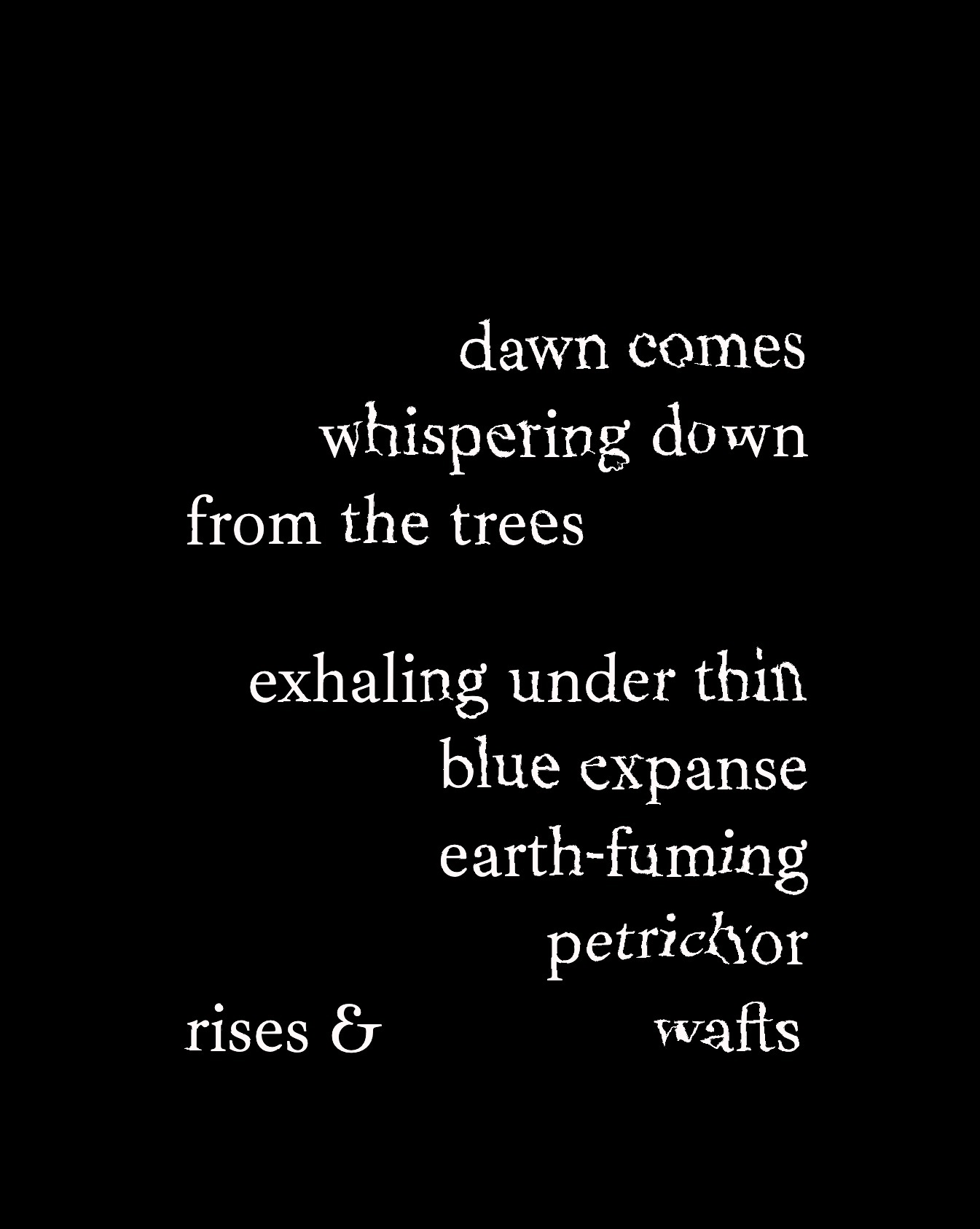
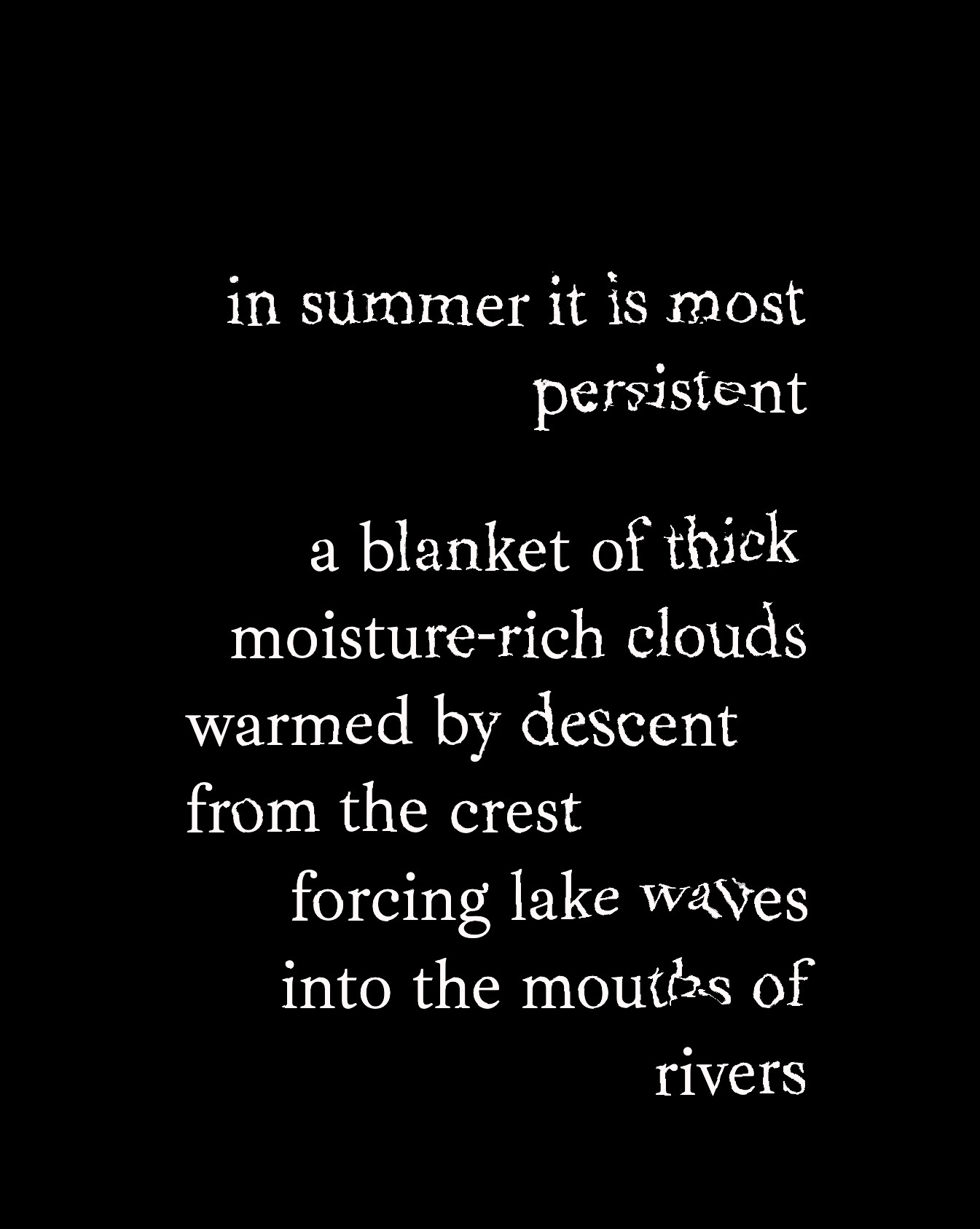
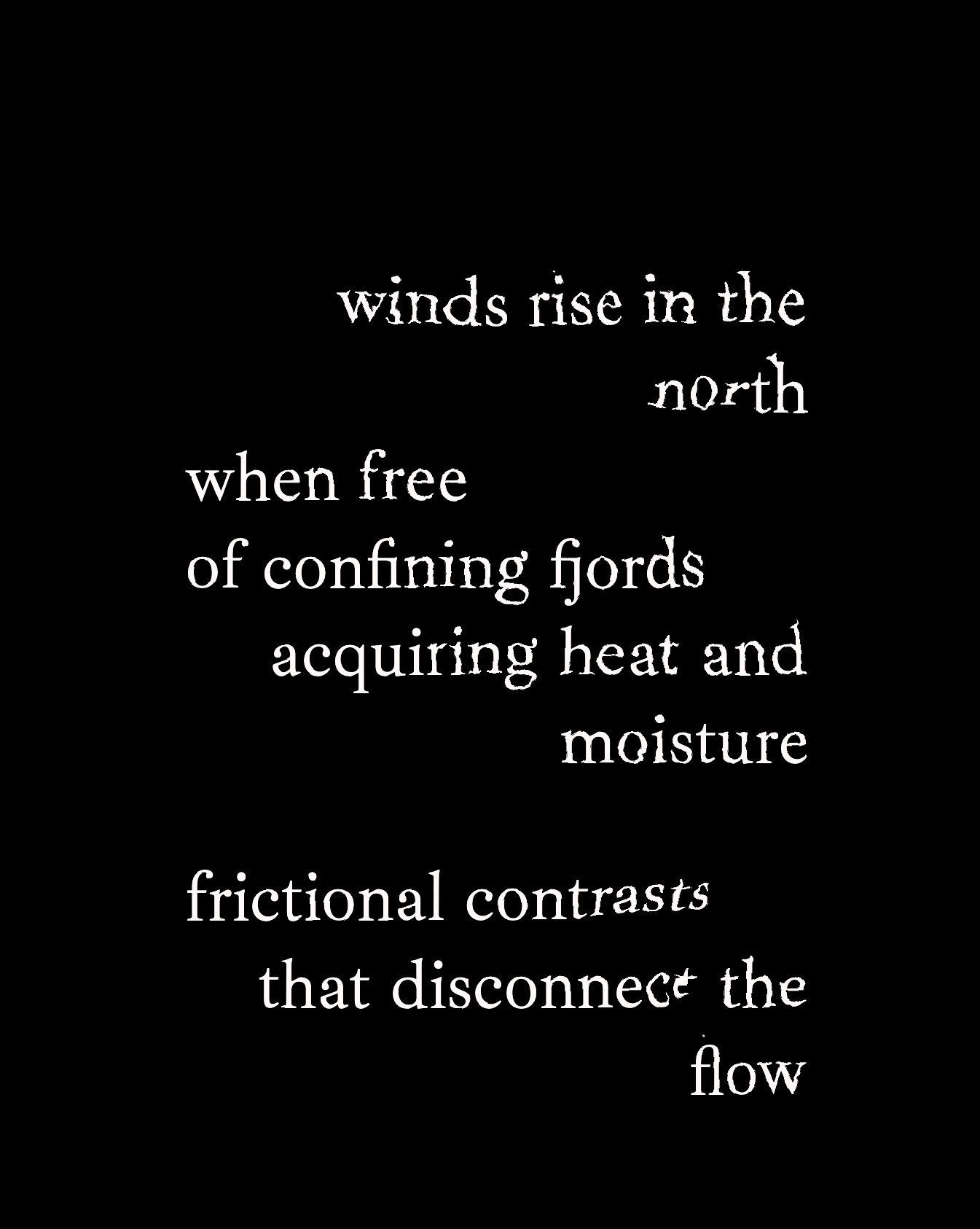
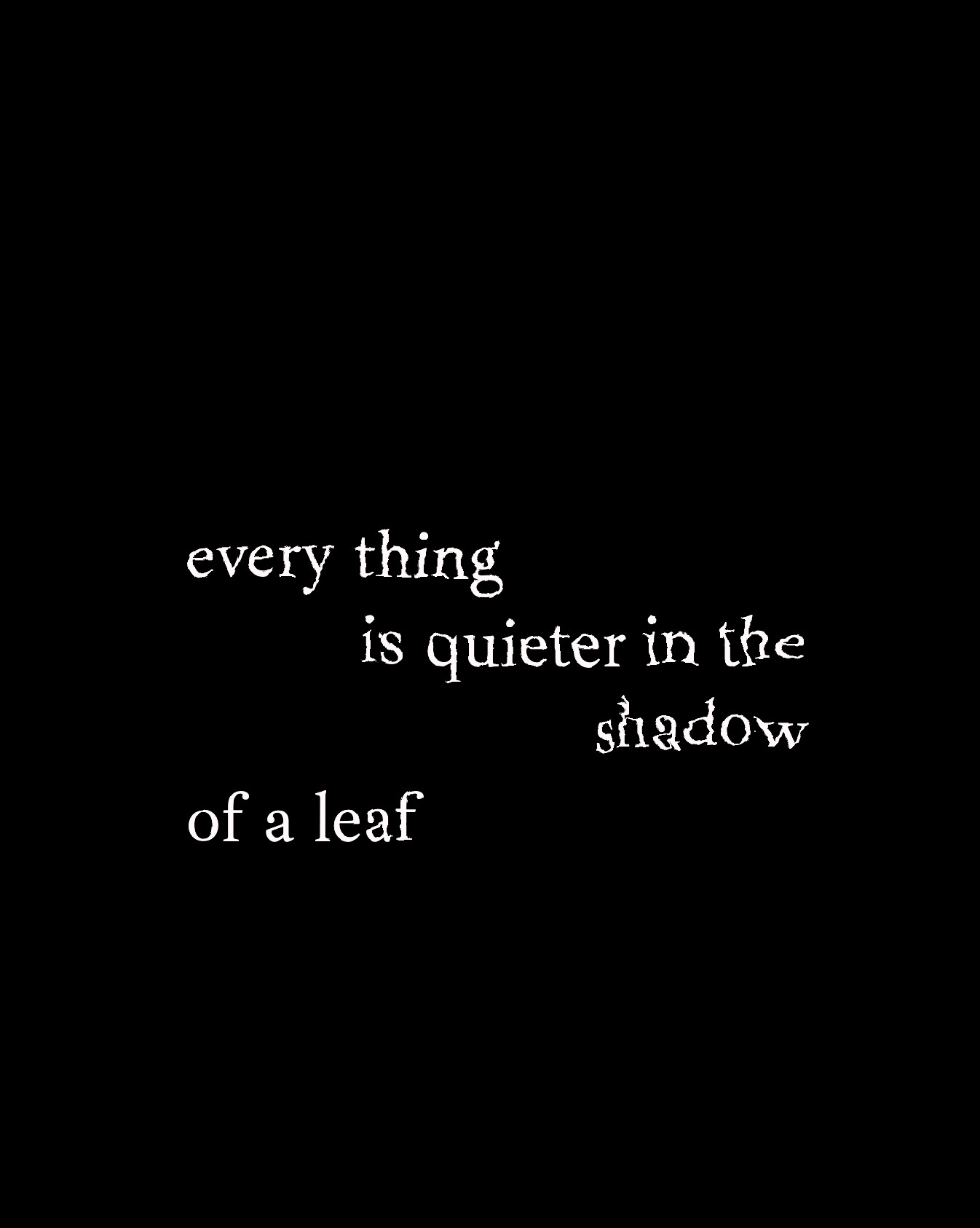
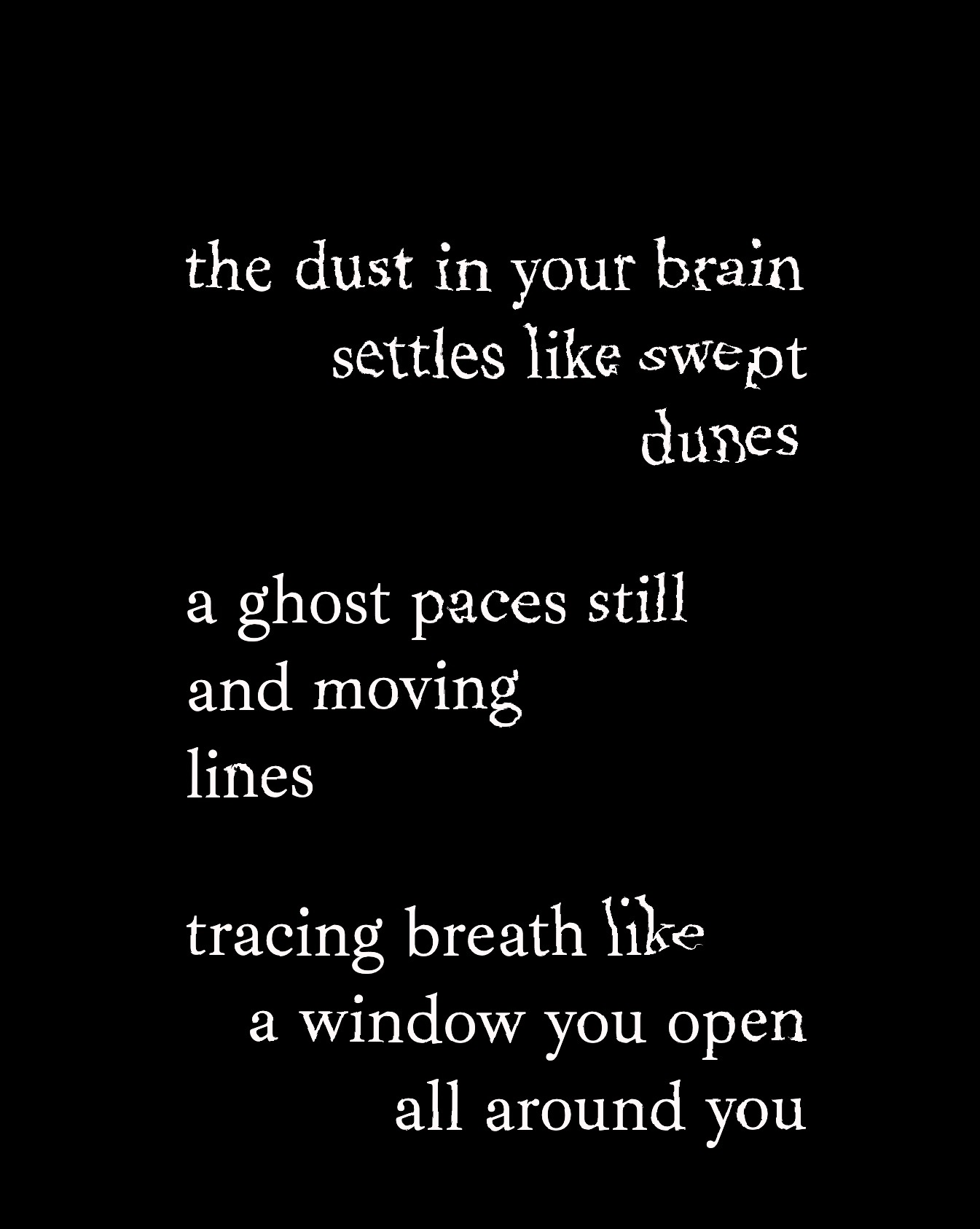
Part I (The Page) explores the poetics of air through its interaction with language, and flattened onto the surface of the webpage. An image from Wikipedia’s article on the Santa Ana winds was used as a visual artifact to distort the text, a gesture towards the way in which language is contoured by environmental forces, and a memorial to the Eaton Canyon fire in January 2025 that raged through neighborhoods I grew up around.
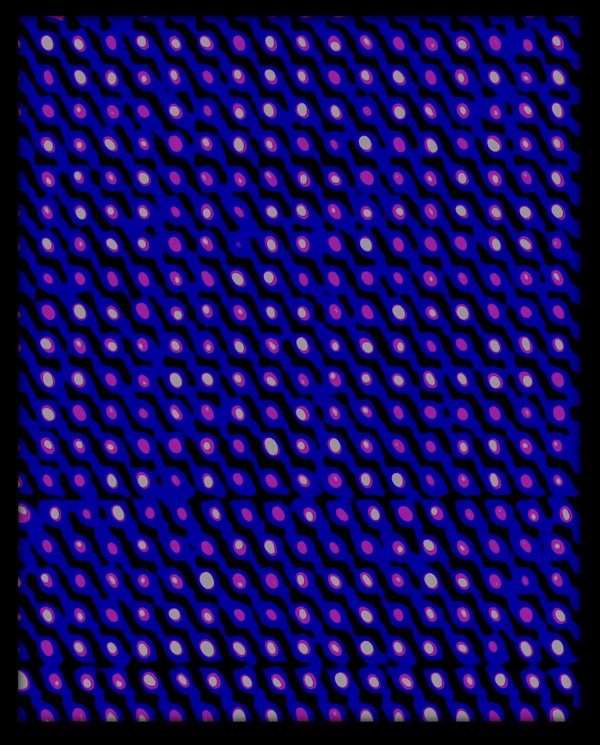
In Part II (The Screen) of Airs, a concrete poem representing a screen slowly dissolves into something like a screen-saver. The soft music accompanying this is activated by the sound of the wind, like an aeolian harp. The processed sound itself drives the animation, in which audio samples are translated into pixel data that changes in real-time with the underlying audio.
The sound for Airs came out of my earlier music project Airports for Music, in which audio convolution techniques are used to produce what I called sound fragrances, in order to distinguish them from broader practices of ambient music and field recording, and instead associate them with the artifice and materiality of perfume.